
The Person Behind RdesignR
15+ years in reality capture, spatial data and the curiosity that led me here.
If I had to describe myself without using my job title, I would probably start with curiosity.
I have always wanted to understand how things work.
As a child, that often meant taking things apart. Most of the time, I even managed to put them back together. :)
When I was around ten, I completely dismantled an old mechanical watch because I wanted to see what was happening inside it.
I almost managed to put it back together.
Almost. :)
It never worked again, but I understood it better than I had before.
Looking back, perhaps that says something about the way I still approach technology today.
I want to understand what is happening beneath the surface, how something works, what it can do, where its limitations are and, most importantly, what problem it can actually solve.
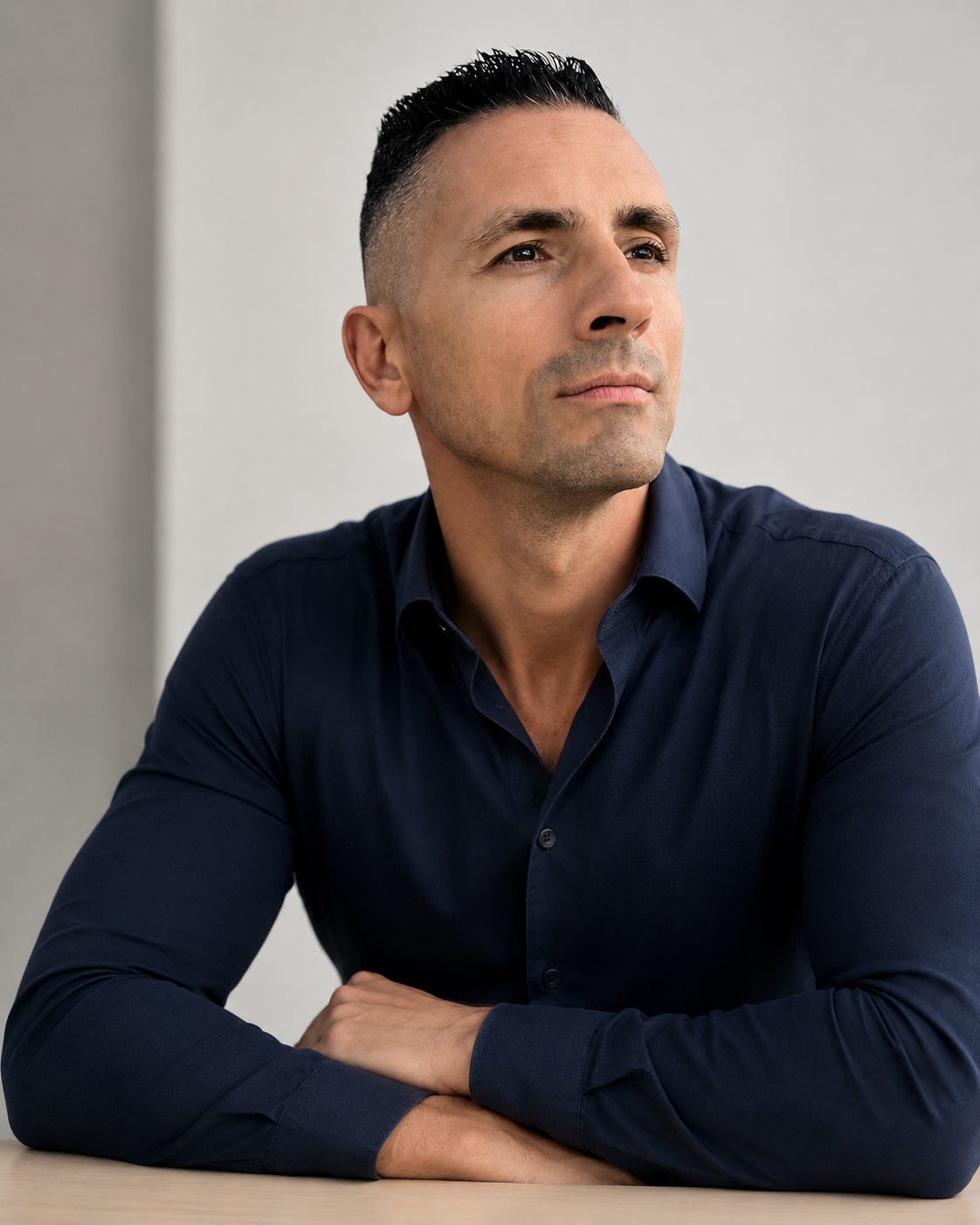
Growing up between two worlds
I belong to a generation that grew up largely in an analogue world and then watched everyday life gradually become digital.
My childhood was spent outside, cycling around with my best friend, playing football, spending entire days with friends and coming home when it was time.
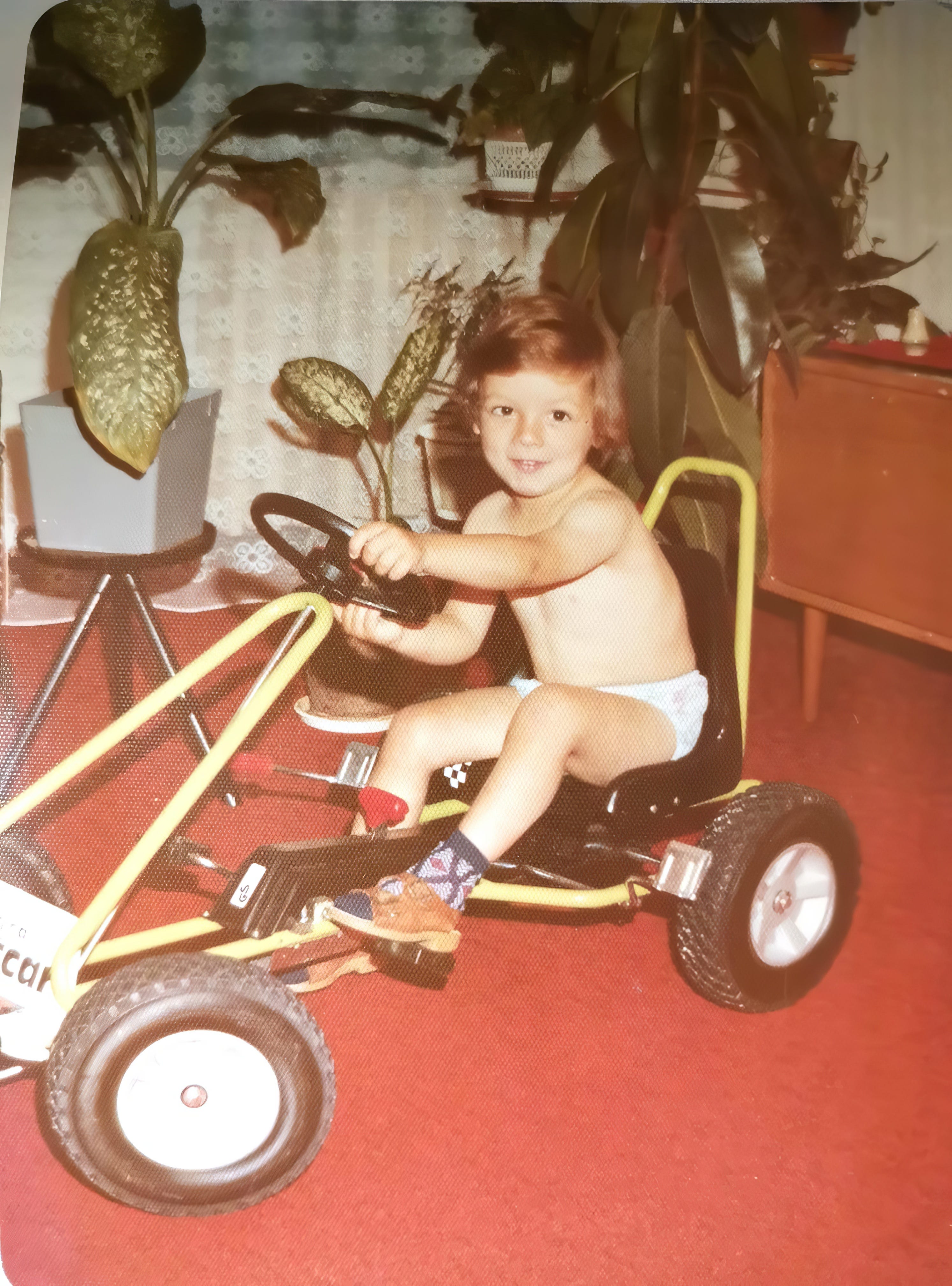
There were no smartphones constantly competing for our attention.
Then technology slowly started appearing everywhere: mobile phones, colour televisions, video games, personal computers and eventually the internet and smartphones.
I became fascinated by computers too although simply using them was rarely enough.
I wanted to know what was inside them. So I took them apart, changed components and eventually started building my own.
Later, video games opened another window into what digital environments could become.
I still remember walking out of the cinema after seeing The Matrix for the first time. I was completely fascinated.
But despite my interest in digital technology, I have always been more interested in the real world.
Perhaps that is one reason reality capture eventually felt so natural to me.
It sits directly between the two.
The physical world becomes digital information.
My first millions of points
My introduction to reality capture came in 2009.
The company I was working for at the time was expanding into a new area and invested in mobile laser scanning.
The system was a RIEGL VMX-450.
That was my first real encounter with this technology.
And what fascinated me most was the point cloud: suddenly, buildings, roads, infrastructure and entire environments could be represented through millions of spatially positioned points.


My early projects included municipal surveys across Hungary, eventually involving the complete mobile laser scanning of around one hundred settlements.
It was a completely different approach to mapping from what I had known before.
But what interested me wasn’t only the capture technology. It was what happened afterwards. The point cloud. The processing. The possibilities hidden inside the data. How something captured in the physical world could be transformed into structured spatial information.
Millions of points. One story.
That idea has stayed with me ever since.
Fifteen years later, it still interests me.
Over the years, mobile laser scanning led me into terrestrial laser scanning, and from there into different technologies, processing workflows and project environments.
The tools have changed enormously, so has what we can do with them.
But the part I enjoy has remained remarkably consistent.
I still enjoy the planning, being in the field, seeing a point cloud come together for the first time and processing the data. But what I particularly enjoy is solving problems.
A difficult registration that finally works. An unexpected situation in the field that requires a different approach. A dataset where something doesn't look right and you have to understand why. Or helping someone who has been stuck with a technical problem and finding the solution together.
Those situations force you to reach back into everything you have learned and experienced over the years.
To test ideas. To question assumptions. To try another approach.
For me, that is still one of the most satisfying parts of the work.
Think first. Then decide.
I tend to think carefully before making important technical decisions. I like to understand the situation, check again, consider the alternatives and then decide. Professionally, that habit has served me well.
But planning also means knowing when the original plan should change. I have arrived on site with scanning positions carefully planned in advance, only to realise once I could actually see the environment that there was a more efficient approach. So I changed the plan.
Experience is not about following the original workflow at all costs. Sometimes it means recognising when it is better to rethink it.
Good work starts with honest collaboration.
I enjoy working with people who are straightforward, know their field and are willing to discuss problems openly.
For me, good professional relationships are built on mutual trust, respect and direct communication: ask questions, make suggestions, discuss problems and, if something isn't working, say it and explain why.
I would always rather discuss a problem openly than pretend it isn’t there.
Perhaps the strongest confirmation of that approach is when a client comes back with another project. Not simply because it means more work, but because returning means that what I delivered professionally and personally created enough trust to work together again.
That matters to me.
Why RdesignR?
After more than fifteen years, I reached a point where I started thinking differently about how I wanted to use everything I had learned.
My experience has never belonged to just one narrow part of reality capture.
I have worked across technologies, field acquisition, processing, spatial data and different types of project environments.
Some areas I know deeply, others I continue to develop.
I didn’t want that experience to remain confined to one role, one company or one narrowly defined part of the workflow.
I wanted the freedom to apply it across different projects, clients, technologies and industries. That is one of the reasons I created RdesignR.
The R comes from Roland.
And DESIGN reflects something I have increasingly realised about this work: reality capture is also a form of design.
We design workflows and ways of capturing environments, structure information and make technical decisions around the outcome a project needs.
RdesignR gives me a place to bring those different parts together.
Today, it allows me to work independently with different clients and projects while continuing to build my expertise.
And over time, I want it to become something broader around that knowledge. But it starts with the experience I already have and the work I can do today.
Independence means more than working for yourself.
After many years as an employee, independence has changed the way I think about my professional life.
Yes, it means having more control over which projects I work on, who I work with and how I organise my time.
But for me, it goes further than that.
It means not being defined exclusively by one company or one role. It gives me the opportunity to work internationally, build relationships with different clients and specialists, apply my experience across different industries and project environments, and continue developing.
I’ve been working this way for more than a year and a half now, and increasingly I feel that it suits me. I am more focused and more balanced. I have more time for my health, sport, travel and culture…etc, things that are important to me and ultimately also affect the quality of the work I can deliver.


Professional independence, for me, is not about working alone.
It is about opening possibilities rather than closing myself inside one box.
Why share what I know?
I don’t necessarily think of myself as someone who simply wants to “write articles”.
What I want is to share knowledge.
Over the years, people have sometimes called me because they were stuck with a technical problem like a registration, a dataset, a workflow or simply something that wasn't behaving as expected.
Several times, I have received feedback afterwards that a conversation or suggestion saved them hours of struggling with the problem.
I’ve even been told: “You should do this professionally.”
That stayed with me.
There is a lot of knowledge that accumulates after working in a technical field for fifteen years. Some of it can be found in manuals. Some can be learned in training. But a lot of it comes from projects that worked, projects that didn’t, mistakes, unexpected situations and finding solutions under real conditions.
That is the kind of knowledge I want to share through RdesignR.
I want to share not only what works, but also what doesn't, what could be improved, where technologies have limitations and what practical experience teaches you that a product brochure usually doesn't.
If that helps someone solve a problem, understand the profession better or perhaps helps a younger person find their way into this field, then it has value.
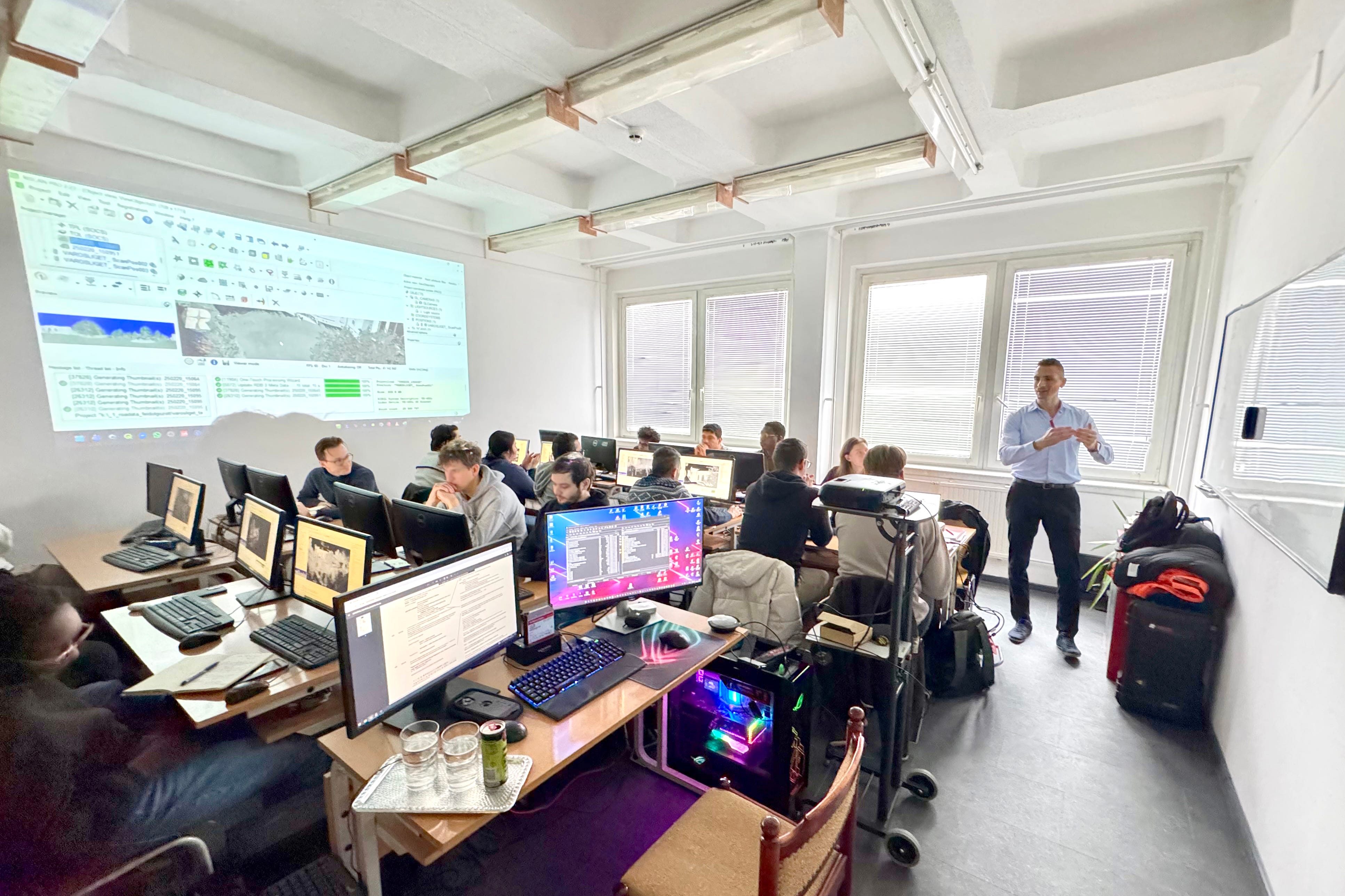
Still learning.
Fifteen years of experience doesn’t mean there is nothing left to learn.
Quite the opposite.
New capture technologies, automation and AI are continuing to change what is possible, and I am interested in understanding where they genuinely improve technical workflows and where they don’t.
The tools will continue changing and the workflows will continue evolving. There will always be another problem to understand, another technology to test and another project that requires a different approach.
Perhaps that ten-year-old who dismantled the watch never really disappeared.
I just have slightly more complicated things to take apart now.
If I could give my younger self one piece of advice...
I would tell him not to stay inside the safety of traditional employment for too long simply because it feels secure.
Learn languages.
Build relationships.
Meet people outside your immediate professional environment.
Be brave enough to explore new directions.
Technical knowledge matters enormously.
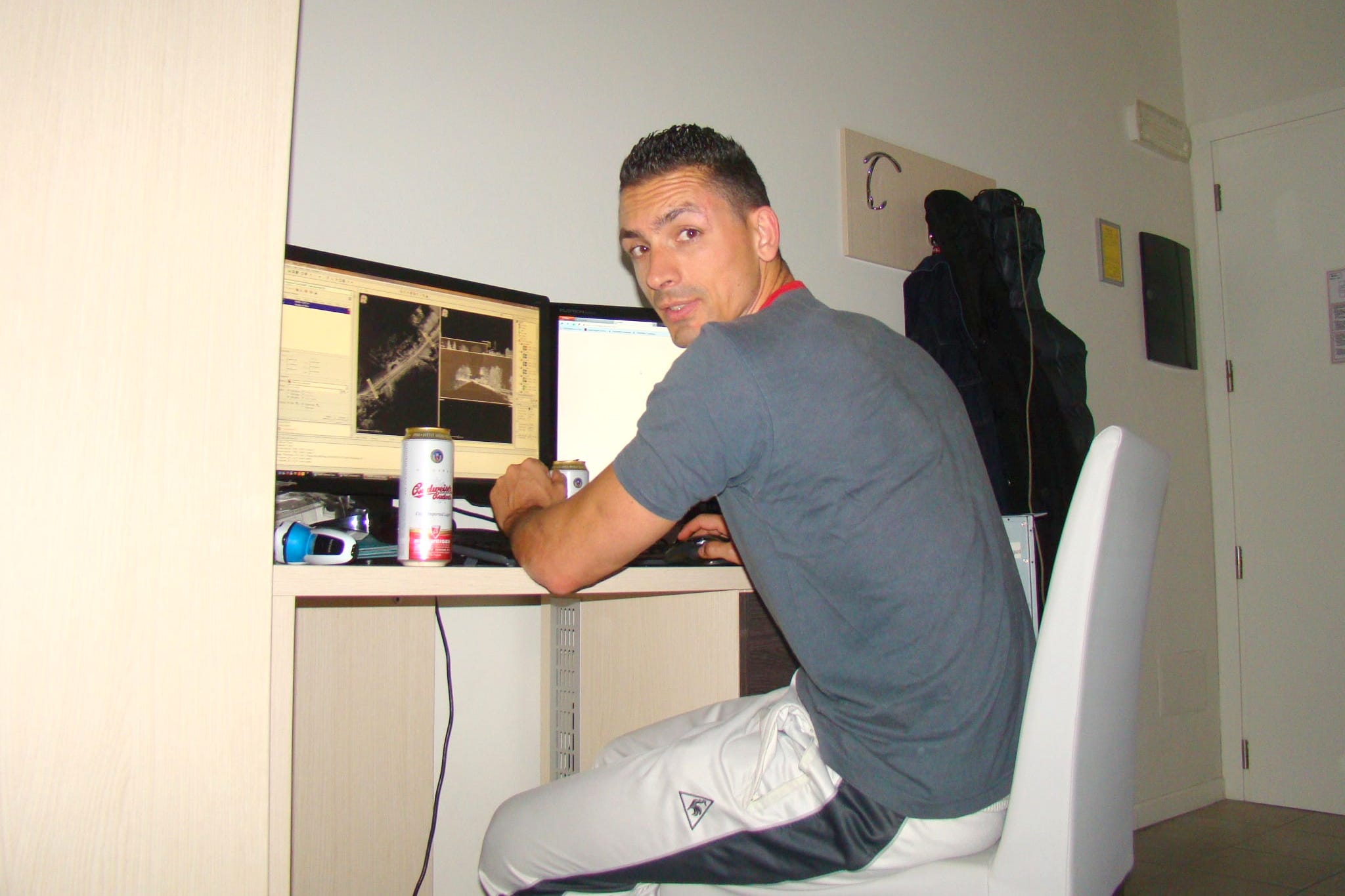
But over a career, the relationships you build and your ability to communicate that knowledge beyond your immediate surroundings can become just as valuable.
It took me more than fifteen years to reach the point where I was ready to bring those things together.
RdesignR is the next step.
And I’m still curious about where it will lead.
Let’s stay connected.
RdesignR is where I share the projects, technologies, lessons and practical experience behind my work in reality capture and spatial data.
If you work in this field, are exploring these technologies, or simply find this world as interesting as I do, I’d be glad to have you along.
Reality Capture · Geospatial · Point Clouds · Field Notes